

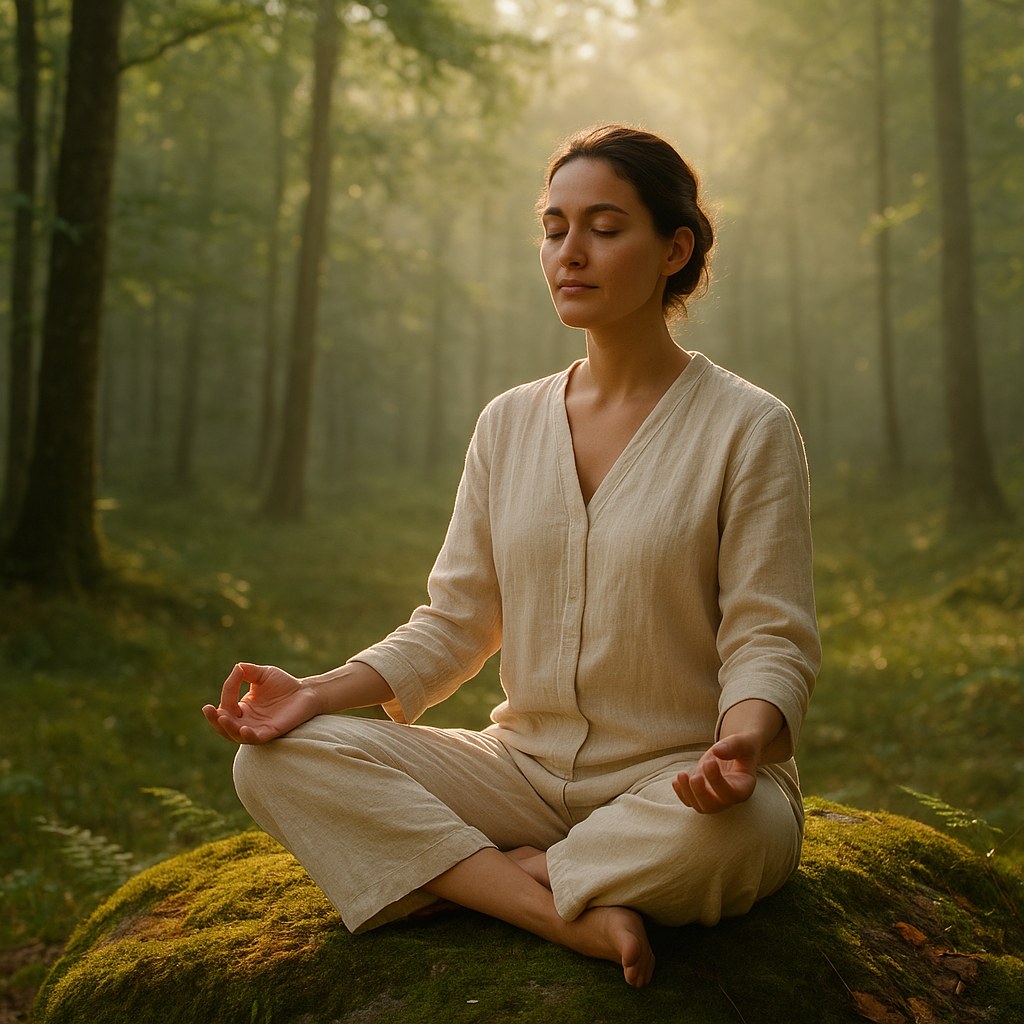


There’s something almost magical about the way a short walk through a park can shift your entire mood. One minute you’re wound tight with stress and anxiety, and twenty minutes later you feel like a different person. That’s not just your imagination playing tricks on you — it’s a well-documented phenomenon that researchers have been studying for decades.
Nature therapy, sometimes called ecotherapy or green therapy, refers to the practice of spending time in natural environments to improve psychological well-being. And here’s the kicker: you don’t need to book a wilderness retreat or hike through a national forest for days. Science suggests that just 20 minutes in nature can produce measurable changes in your brain chemistry, stress hormones, and overall mental state.
Let’s explore exactly what happens to your mind and body during those twenty minutes, why nature has such a powerful effect on mental health, and how you can practically incorporate this into your daily routine — even if you live in the middle of a city.
What Is Nature Therapy?
Nature therapy is a broad term that encompasses any intentional use of natural environments to support mental and physical health. It ranges from structured programs like wilderness therapy and horticultural therapy to something as simple as sitting on a park bench and watching the trees sway.
The concept isn’t new. The Japanese practice of shinrin-yoku, or “forest bathing,” has been around since the 1980s and involves immersing yourself in a forest atmosphere using all five senses. In many ways, Western science is now catching up with what many cultures have known intuitively for centuries: human beings are wired to thrive in nature, not just survive in it.
Types of Nature-Based Therapy
- Forest bathing (Shinrin-yoku): Slow, mindful walks in wooded areas designed to reduce stress and promote relaxation
- Horticultural therapy: Gardening and plant-based activities used as a therapeutic intervention
- Wilderness therapy: Structured outdoor programs, often used with adolescents, that combine nature immersion with counseling
- Animal-assisted therapy in nature: Combining outdoor settings with interactions involving animals
- Green exercise: Physical activity performed in natural settings, like jogging on a trail or practicing yoga in a park
While these formal approaches have their place, the research increasingly shows that even informal nature exposure — the kind you can get on your lunch break — carries real, measurable benefits.
What Happens to Your Brain After 20 Minutes in Nature?
This is one of the most searched questions around this topic, and for good reason. The idea that something as simple as stepping outside for twenty minutes could rewire your brain sounds too good to be true. But the research is surprisingly consistent.
Cortisol Levels Drop Significantly
A landmark 2019 study published in Frontiers in Psychology found that spending just 20 to 30 minutes in a natural setting led to a 21% reduction in cortisol, the body’s primary stress hormone. Participants didn’t need to exercise or do anything strenuous. Simply sitting or walking in a nature-rich environment was enough to trigger the physiological shift.
Cortisol isn’t inherently bad — it’s essential for waking up in the morning and responding to genuine threats. But chronically elevated cortisol, which is common in modern life, contributes to anxiety, depression, weight gain, sleep problems, and impaired cognitive function. A daily 20-minute nature break can act as a natural reset button for your stress response system.
Your Prefrontal Cortex Gets a Break
The prefrontal cortex is the part of your brain responsible for executive functions: decision-making, focus, impulse control, and planning. In our screen-saturated world, this area is constantly being pulled in a dozen directions — notifications, emails, deadlines, social media. Researchers call this directed attention fatigue.
Nature engages what psychologists call soft fascination. Unlike a blaring TV or a buzzing phone, natural stimuli — rustling leaves, flowing water, birdsong — capture your attention gently without demanding a response. This allows the prefrontal cortex to rest and recover, which explains why many people report feeling mentally sharper and more focused after time outdoors.
Mood-Regulating Neurochemicals Shift
Spending time in nature has been linked to increased production of serotonin and dopamine, two neurotransmitters closely tied to mood regulation. A 2015 study from Stanford University found that participants who walked for 90 minutes in a natural area showed reduced activity in the subgenual prefrontal cortex, a brain region associated with rumination — the repetitive negative thought patterns that are a hallmark of depression and anxiety.
While the Stanford study used a 90-minute window, subsequent research has shown that significant mood improvements can occur in as little as 10 to 20 minutes of outdoor time, particularly when the environment includes greenery and natural sounds.
Your Nervous System Shifts Into Rest-and-Digest Mode
Twenty minutes in nature can shift your autonomic nervous system from sympathetic dominance (fight-or-flight) to parasympathetic dominance (rest-and-digest). This means your heart rate slows, your blood pressure drops, your muscles relax, and your digestion improves. For people dealing with chronic anxiety, this physiological shift alone can be profoundly therapeutic.
How Does Nature Therapy Benefit Mental Health?
Beyond the immediate physiological effects, regular nature exposure has been linked to a wide range of mental health benefits. Here’s a closer look at what the research tells us.

Reduced Anxiety and Depression
A comprehensive review published in JAMA Network Open analyzed data from multiple studies and found that nature-based interventions were associated with significant reductions in symptoms of anxiety and depression. The effects were comparable to some conventional treatments, particularly for mild to moderate symptoms.
One reason nature is so effective is that it addresses multiple pathways simultaneously. It reduces stress hormones, encourages physical movement, provides exposure to natural light (which regulates circadian rhythms and vitamin D production), and creates opportunities for social connection — all of which are protective factors against anxiety and depression.
Improved Focus and Cognitive Function
Research from the University of Michigan demonstrated that participants who spent time in nature showed a 20% improvement in memory and attention compared to those who walked through urban environments. This has particular relevance for people with ADHD, students preparing for exams, and anyone whose work demands sustained concentration.
The Attention Restoration Theory, developed by environmental psychologists Rachel and Stephen Kaplan, proposes that nature replenishes our depleted cognitive resources. Urban environments demand constant directed attention — dodging traffic, filtering out noise, processing advertisements. Natural environments, by contrast, allow our attention to wander freely and recover.
Better Sleep Quality
Exposure to natural light during the day, particularly in the morning, helps regulate your circadian rhythm — the internal clock that tells your body when to be alert and when to sleep. People who spend more time outdoors during daylight hours tend to fall asleep faster, sleep more deeply, and wake feeling more refreshed.
A study published in Preventive Medicine found that adults who had access to green spaces near their homes reported significantly better sleep quality than those in more built-up areas. The researchers attributed this to a combination of increased physical activity, reduced stress, and greater natural light exposure.
Reduced Rumination and Overthinking
If you’ve ever found yourself replaying an awkward conversation for the hundredth time or catastrophizing about a future event, you’ve experienced rumination. It’s a cognitive pattern strongly linked to anxiety and depression, and it’s notoriously difficult to break.
Nature seems to interrupt rumination naturally. The gentle sensory input — the sound of wind, the movement of clouds, the texture of bark under your fingers — pulls your awareness outward into the present moment. This is essentially a form of mindfulness practices, but one that requires far less effort than sitting with your eyes closed trying to meditate.
Enhanced Sense of Connection and Purpose
Many people report that spending time in nature gives them a sense of perspective that’s hard to find in daily life. Problems that felt enormous indoors seem more manageable when you’re standing beneath a vast sky or looking out over an ocean. This isn’t just poetic thinking — research suggests that experiences of awe in nature can increase feelings of connectedness, reduce self-focus, and promote prosocial behavior.
What Is the 3-3-3 Rule in Mental Health?
The 3-3-3 rule is a grounding technique commonly used to manage anxiety and panic attacks in the moment. Here’s how it works:
- Look around and name 3 things you can see. A tree, a cloud, a crack in the sidewalk — anything in your immediate environment.
- Identify 3 things you can hear. Birdsong, distant traffic, the hum of an air conditioner, your own breathing.
- Move 3 parts of your body. Wiggle your fingers, roll your shoulders, tap your feet.
This technique works by redirecting your attention away from anxious thoughts and toward your immediate sensory experience. It’s a form of grounding that anchors you in the present moment.
What’s interesting is how naturally the 3-3-3 rule pairs with nature exposure. When you’re outdoors, the sensory environment is richer and more varied than most indoor settings. There are more things to see, hear, smell, and feel. Many therapists actually recommend practicing grounding techniques outdoors for this very reason — nature provides a built-in sensory toolkit for managing anxiety.
Nature and Mental Health: Key Statistics
The body of research linking nature exposure to mental health outcomes has grown substantially in recent years. Here are some of the most compelling findings:
- People who spent at least 120 minutes per week in natural environments reported significantly better health and well-being than those who didn’t, according to a study of nearly 20,000 people published in Scientific Reports (2019).
- A meta-analysis published in Environmental Research found that greenspace exposure was associated with reduced salivary cortisol, lower heart rate, and decreased blood pressure.
- Children who grow up with access to green spaces have a 55% lower risk of developing psychiatric disorders later in life, according to a Danish study published in PNAS (2019).
- A UK study found that people living in areas with more green space reported lower levels of mental distress and higher life satisfaction, even after controlling for income, employment, and other factors.
- Hospital patients with views of nature recovered faster and required less pain medication than those facing a brick wall, in a classic study by Roger Ulrich published in Science (1984).
These statistics paint a clear picture: nature isn’t just a nice-to-have. It’s a meaningful contributor to mental health that deserves the same attention we give to diet, exercise, and sleep.
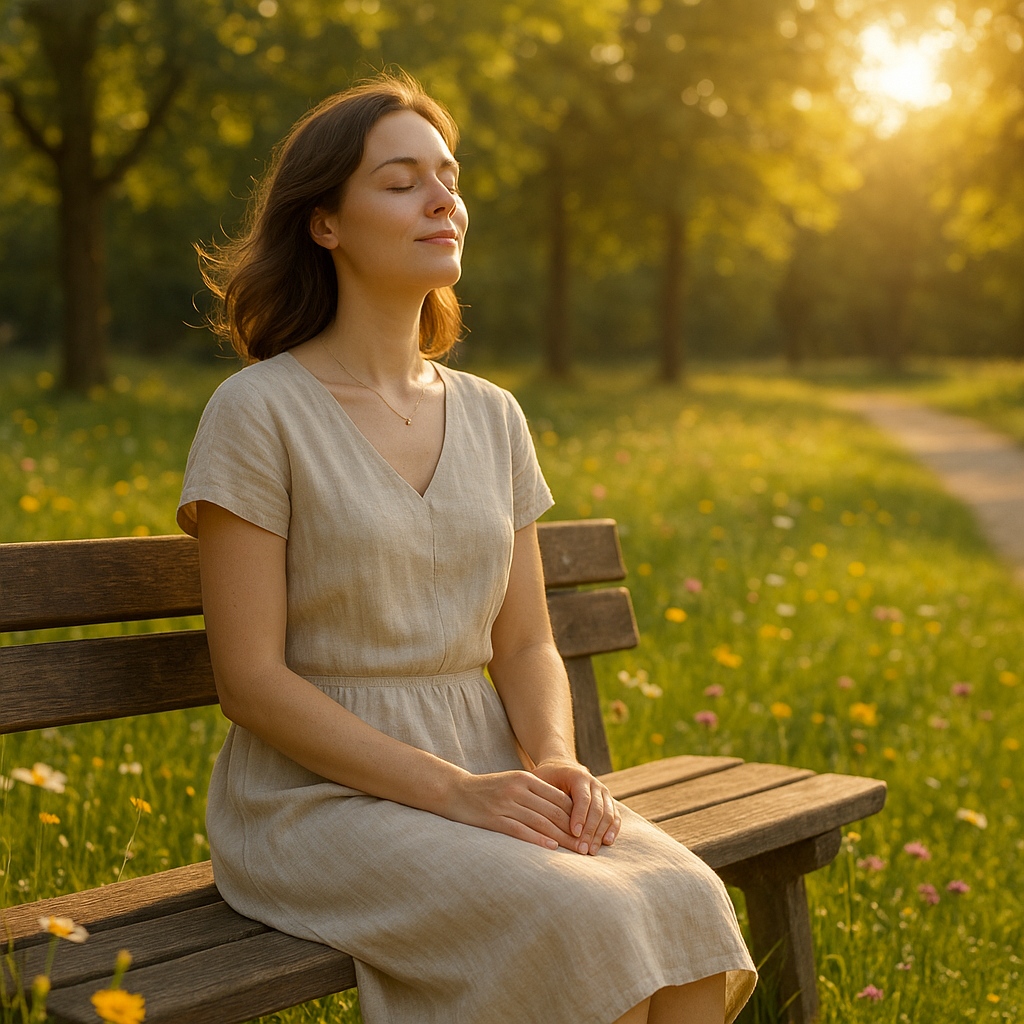
Practical Ways to Get Your 20 Minutes (Even in a City)
One of the most common objections to nature therapy is: “I live in a city. I don’t have access to forests or mountains.” The good news is that you don’t need pristine wilderness to reap the benefits. Research suggests that even small doses of urban nature — a tree-lined street, a community garden, a pocket park — can make a difference.
Daily Strategies
- Take your morning coffee outside. Instead of scrolling your phone at the kitchen table, step onto your porch, balcony, or front steps. The combination of natural light and fresh air first thing in the morning is especially powerful for setting your circadian rhythm.
- Walk a different route to work. If possible, choose a path that passes through a park, along a waterway, or down a tree-lined street. Even a small detour can add meaningful nature exposure to your day.
- Eat lunch outdoors. Find a bench, sit on the grass, or even just open a window and eat near natural light. The change of scenery alone can reset your mental state for the afternoon.
- Replace one indoor workout with an outdoor one. Swap the treadmill for a trail, the stationary bike for a real one, or the gym for an outdoor yoga session.
- Bring nature indoors. Houseplants, nature sounds, and even photographs of natural landscapes have been shown to reduce stress and improve mood. While not a substitute for the real thing, they can supplement your outdoor time.
Weekly Practices
- Plan a longer nature outing on weekends. A two-hour hike, a visit to a botanical garden, or an afternoon at the beach can provide a deeper dose of restoration.
- Start a garden. Gardening combines physical activity, sensory engagement, and a sense of purpose. Research consistently shows that gardeners report lower levels of stress and higher life satisfaction.
- Practice forest bathing. Find a wooded area and walk slowly, engaging all five senses. Notice the colors, listen to the sounds, touch the textures, breathe in the scents. Leave your phone behind or keep it on airplane mode.
- Try outdoor mindfulness or meditation. Meditating in nature can amplify the benefits of both practices. Even five minutes of outdoor breath awareness can calm a racing mind.
Can Nature Therapy Replace Professional Treatment?
This is an important question, and the honest answer is no — but it can be a powerful complement to it.
Nature therapy is best understood as one tool in a larger mental health toolkit. For mild stress, everyday anxiety, or general low mood, regular nature exposure might be enough to make a meaningful difference on its own. But for clinical depression, severe anxiety disorders, PTSD, or other diagnosed conditions, professional treatment — whether therapy, medication, or both — remains essential.
That said, an increasing number of mental health professionals are incorporating nature-based approaches into their treatment plans. Some therapists conduct “walk and talk” sessions outdoors. Others prescribe nature time alongside traditional interventions. The emerging field of ecopsychology is dedicated to exploring and formalizing these connections.
If you’re currently in treatment, talking to your provider about adding structured nature time to your routine is a worthwhile conversation. The evidence suggests it can enhance the effectiveness of conventional approaches.
Why 20 Minutes Is the Sweet Spot
You might be wondering: why twenty minutes specifically? Why not five, or sixty?
The research points to twenty minutes as a kind of minimum effective dose. Benefits begin to appear around the ten-minute mark, but the twenty-minute window seems to be where the most significant physiological shifts occur — particularly in cortisol reduction and nervous system regulation.
Beyond twenty to thirty minutes, the returns don’t necessarily diminish, but the rate of improvement slows. In other words, if you only have twenty minutes, you’re capturing a substantial portion of the available benefit. If you have an hour, even better. But the key message is that you don’t need a lot of time to start feeling the effects.
Consistency matters more than duration. Twenty minutes daily will likely do more for your mental health than a single three-hour hike once a month. The brain and body respond to regular, repeated signals, and nature exposure is no different.
The Bottom Line on Nature Therapy and Mental Health
The evidence is clear: spending time in nature is one of the most accessible, affordable, and effective ways to support your mental health. Twenty minutes a day is enough to lower cortisol, quiet a racing mind, improve focus, boost mood, and help you sleep better at night.
You don’t need special equipment, a gym membership, or a prescription. You just need to step outside.
Whether it’s a walk through your neighborhood, lunch in a nearby park, a few minutes of morning sunlight on your face, or a weekend hike through the woods — every moment in nature is an investment in your spiritual wellness. The research backs it up, your brain craves it, and your body will thank you for it.
Start with twenty minutes today. Notice how you feel. Then do it again tomorrow.